McAvoy CEO Shares Reaction to Education Estates Strategy
16 Feb 2026


The government is continuing to find ways to respond to an urgent shift needed in the UK’s education sector – to make mainstream education more inclusive for students with special educational needs and disabilities (SEND).

Most recently, the publication of the “Every Child Achieving and Thriving” Schools White Paper, outlines a 10-year strategy which could prompt the most significant reform to the education system seen in years, including a greater focus on Education, Health and Care Plans (EHCPs), curriculum changes and increased mainstream investment.
However, despite ambitious plans, there is still a long way to go before SEND reform becomes fully integrated into the education system. Since the introduction of the Children and Families Act in 2014, the number of children and young people identified with SEND has risen from 1.3 million to 1.7 million, highlighting the pressing need for schools to adapt to meet the individual requirements of students.
The white paper includes a major focus on the school estate, highlighting how education settings and environments must be accessible, safe, and designed to meet a wide range of sensory and physical needs. To ensure they are aligned with the latest guidance and best prepared to meet the needs of all students, schools need to understand how learning experiences can be enhanced through tailored design.
For example, sensory or ‘quiet’ areas can be introduced in mainstream classrooms, to provide students with a space to self-regulate when overwhelmed. Some neurodivergent pupils may require a familiar environment with a low level of distraction and sensory stimulus in order to reduce anxiety or distress. Providing students with this type of safe place has been found to help minimise disruption, both for the student and the rest of the class.
Sound is another vital area where SEND students need to be considered, as these pupils can be more susceptible to the adverse effects of noise resulting from reverberation and echo. To stop sound having a negative impact on SEND students’ learning outcomes, and to ensure schools are aligned with government guidance published in its Building Bulletin 93 (BB93), tailored design features should be integrated into classrooms. For example, acoustic panels or soft furnishings can be used to reduce noise levels and, by absorbing sound, these features can help to limit distractions and enhance students’ focus.
Schools can incorporate further adjustments, such as integrating colour into the design to further support SEND needs. For example, using set and block colours to distinguish different areas of the school can allow some pupils to more easily navigate the building, without feeling overwhelmed or confused. Sensory rooms, therapy rooms and group rooms can also be useful, as well as features such as glazing which reduces the potential for students being surprised, allowing them to prepare themselves for the next space.
When designing learning spaces to address the physical needs of SEND students, it’s important that all children are able to access learning in the same way. Building Bulletin 104 (BB104) highlights how SEND students may require extra space in a classroom to move around freely, and to ensure a comfortable distance between themselves and others. Schools must also be designed to provide sufficient space for pupils with physical disabilities who may use mobility aids, including wheelchairs. Adjustments could include increasing corridor width, as well as the availability of lifts and ramps available for easier navigation.
Schools could also require a significant expansion of capacity to accommodate the rising number of SEND students. Many students wait longer than the 20- week target to be issued with an education, health and care plan (EHCP), that details the support they require and then have to additionally wait to secure a space at a school that is able to meet their needs after the EHCP has been issued. This can cause additional stress and anxiety, for both the parents and the children. With many schools already over capacity, an effective space solution needs to address both rising demand and the diversity of student needs.
This is a difficult task for many schools due to budgetary restrictions and the fact that schools need to remain operational while construction takes place. To meet the need for bespoke, accessible space which is available within a short time frame whilst causing minimal disruption, the UK education sector is increasingly utilising modern methods of construction (MMC).
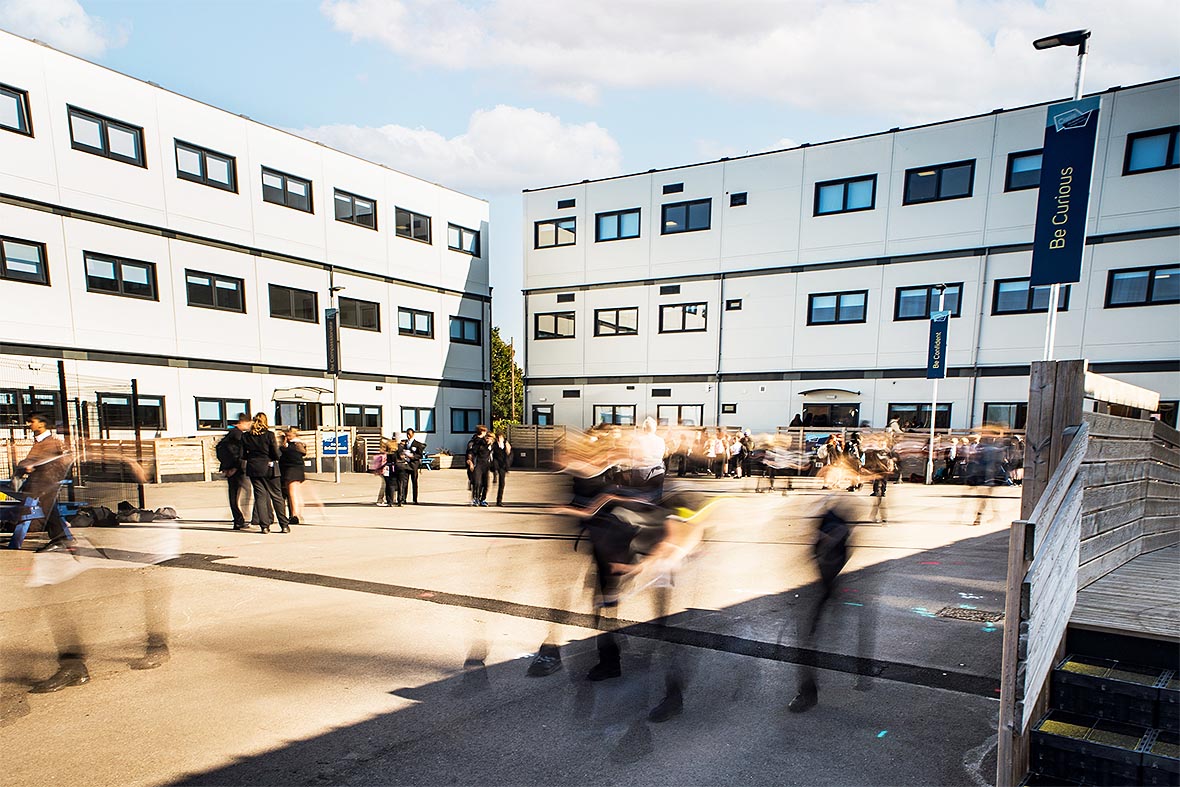
For example, modular buildings and classrooms are increasingly popular, as these units rely on offsite manufacturing to ensure rapid delivery of learning environments, which can be available in just a matter of weeks, with minimal disruption to student learning. Offsite construction means there is less distracting and disruptive noise on site for children with sensory sensitivities. Ensuring a shorter and quieter construction period is vital for SEND students who may find any form of disruption particularly distressing, negatively impacting their learning experience. Ultimately, these modular solutions can be constructed and deployed quickly, as well as being easily customisable and able to adapt to schools’ ever-changing needs.
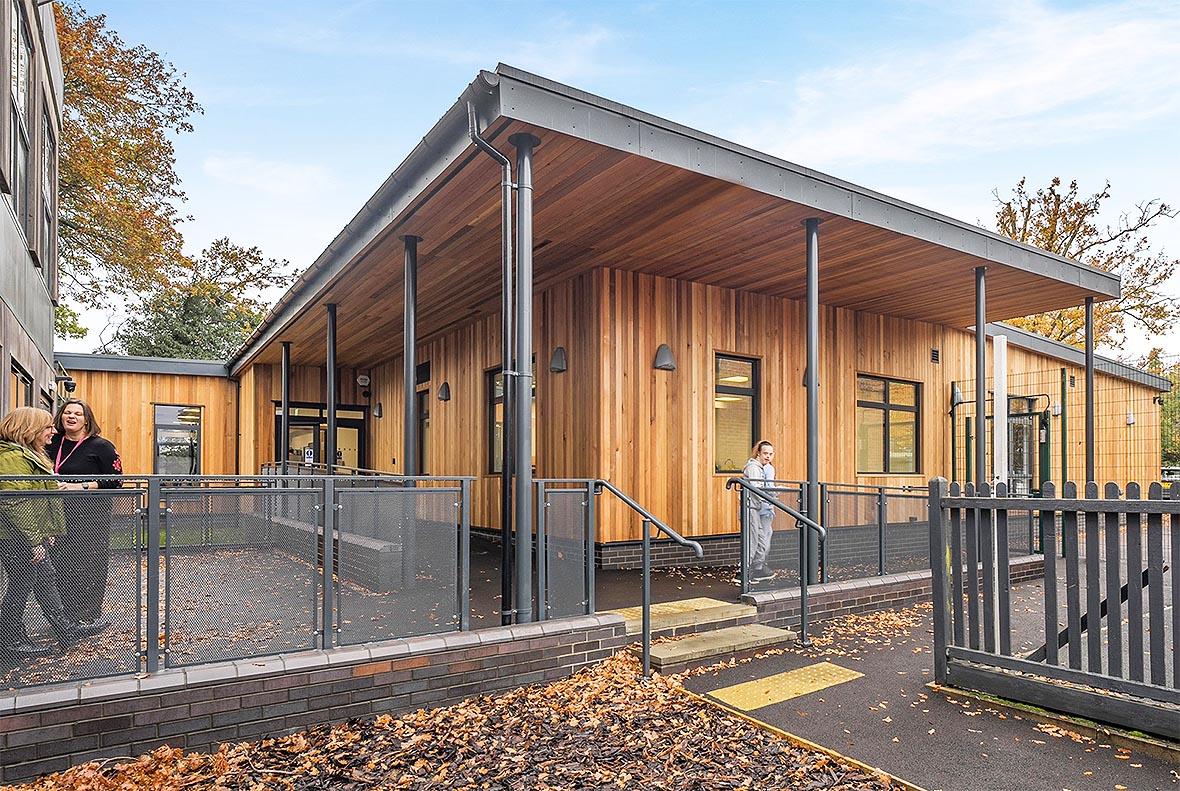
This can be especially valuable for addressing the government’s increased focus on ‘inclusion bases’ in the white paper, which are defined as dedicated spaces for specialist teaching or targeted support for students with SEND. With the government aiming for every secondary and primary school to have an inclusion base, modular solutions could be the key to meeting this target. These units can be built specifically to accommodate for SEND students through tailored design and increased accessibility features.
Modules can be assembled into multiple floors or buildings equipped with features such as specialist sensory rooms, therapy rooms, and changing places, while giving the students the opportunity to get fresh air and connect with nature in between lessons. These flexible spaces will be able to serve different levels of need whilst remaining adaptable, setting a new standard for addressing SEND needs. They can be used for group work such as reading or writing, provide space for teaching an adapted curriculum for SEND students, or allow for one-to-one personal support.
As schools take action to solve the SEND crisis in light of the government’s white paper, pouring money into permanent building configurations that are unable to adapt could prove detrimental if a long-term temporary solution is more appropriate. With budgets already tight, any solutions schools invest in must be flexible enough to adapt to changing numbers of students and SEND pupils. Schools must prioritise flexible, long-term rental solutions that can be designed and tailored specifically to meet SEND needs, such as inclusion bases that are delivered through modular construction. Making thought through, practical investments can help the government and school facilities managers provide enhanced learning in both mainstream and special schools, helping the education sector progress towards truly inclusive school estates.