Droitwich Spa Leisure Centre Opens Following £15m Community Investment
4 Nov 2026

When planning new or refurbished community facilities, attention can quickly turn to the building itself. What should it look like? Which activities should it accommodate? Yet, before these decisions are made, it is important to establish a more fundamental point: who will use it, and what do they need?
Every community has its own characteristics, challenges and opportunities, meaning there is no universal approach to community facility design.
Building a clear picture of a community means looking beyond population figures. At Alliance Leisure, we consider factors such as age, life stage and affluence, alongside deprivation indices, health indicators and physical activity levels. This helps identify unmet needs, understand barriers to participation and assess the contribution of existing provision.
Importantly, a gap in the market does not necessarily indicate demand. Investment decisions must be informed by a wider understanding of the local population and its needs.
By combining demographic analysis with an assessment of existing facilities, competing provision and local participation patterns, we can understand where investment could have the greatest impact and how facilities can be designed to respond to identified needs.
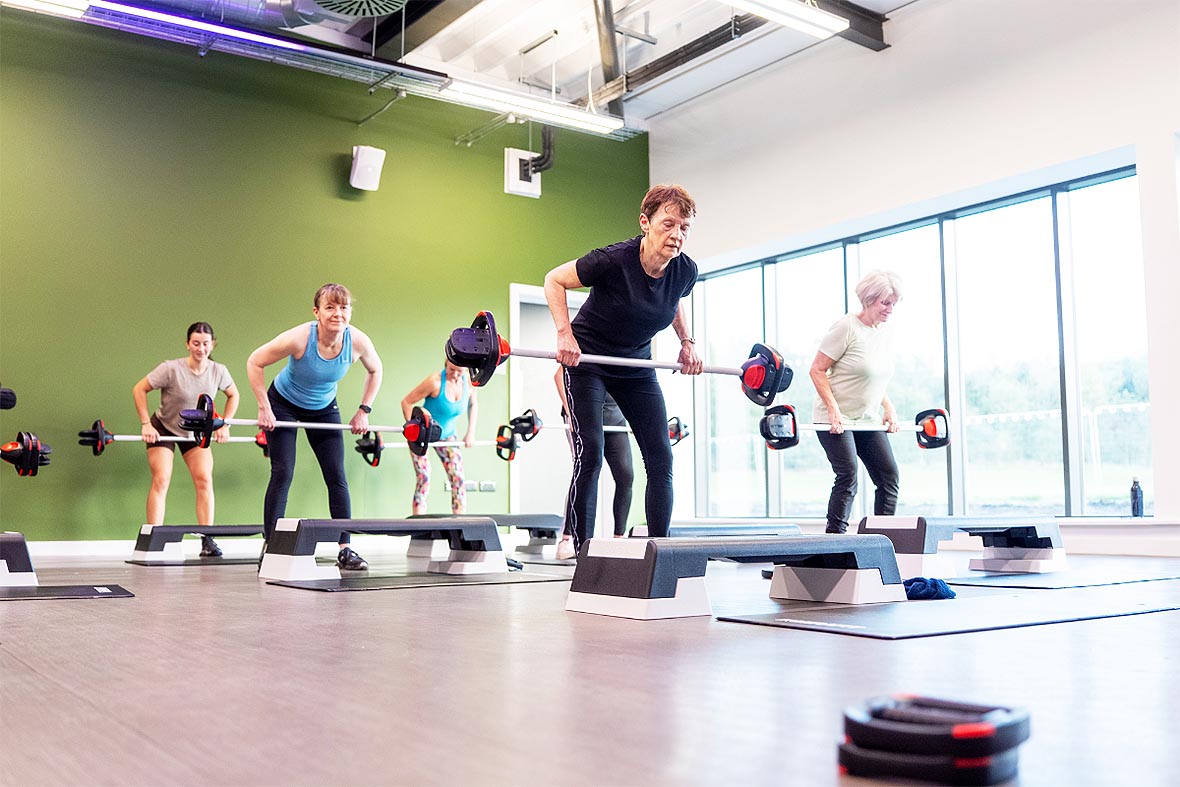
For example, an ageing population may indicate opportunities to provide rehabilitation, accessible exercise and active ageing programmes. In contrast, a younger, family-focused catchment could benefit from junior activities and family-friendly facilities. Flexible spaces can also help accommodate different audiences and respond to changing demand over time.
This approach can challenge assumptions before significant investment is committed. Research that we carried out into one proposed family entertainment centre, for instance, identified a catchment with relatively few families and a higher proportion of older residents. This raised important questions about whether the proposed offer would reflect the needs of the local population.
Facilities need to be financially sustainable, but their value extends beyond their commercial performance. They can support healthier lifestyles, reduce inequalities and provide places where communities connect.
Understanding who participates, who does not and why, can help councils and operators make more informed decisions about programming, pricing and the use of available space.
At Station Leisure & Learning Centre in East Lindsey, community-led planning informed by insight helped increase the centre’s reach from 5% to 35% of local residents following its opening in 2024. This demonstrates how a targeted approach can help facilities build stronger relationships with the communities they serve.
Planning must also account for what a community may look like in the future. Population growth, new housing developments and changing demographics can all influence demand, making it important to consider how facilities will adapt over time.
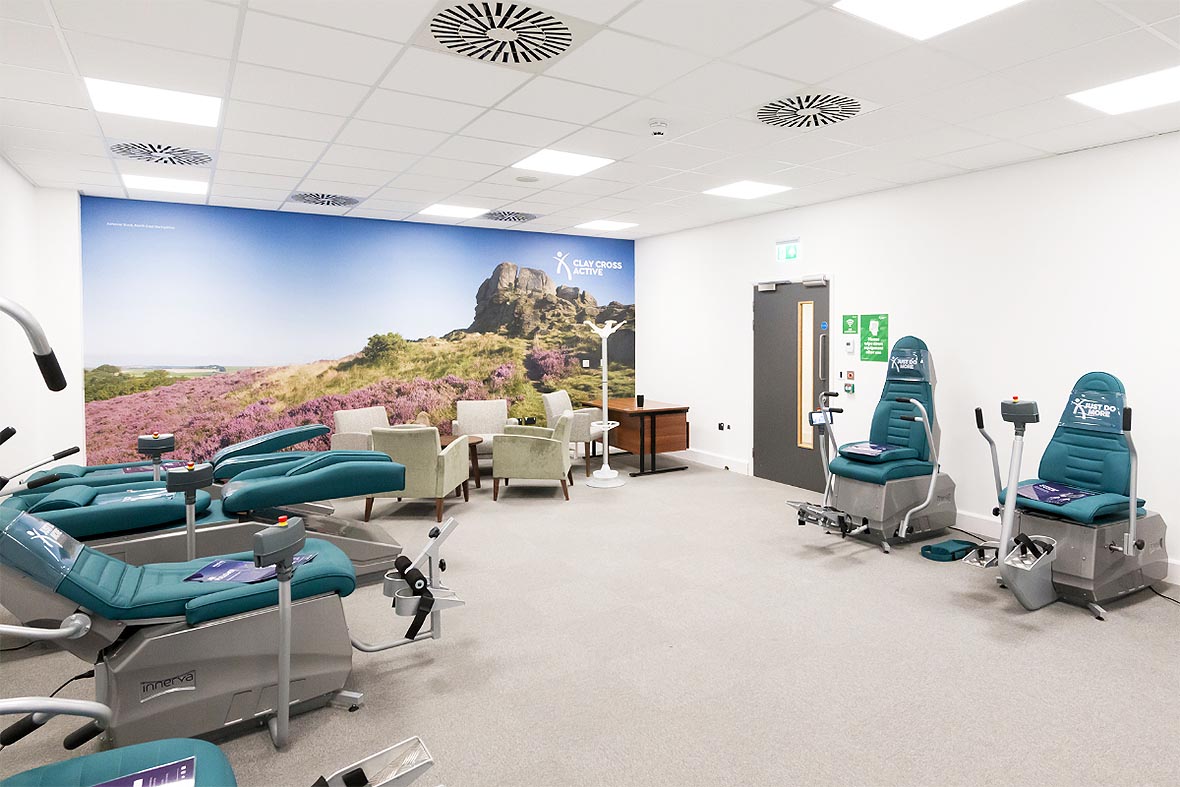
There may also be opportunities to integrate leisure provision with wider public services. At Clay Cross Active, for example, the on-site GP surgery sees 450–500 patients each month, while the Citizens Advice Bureau has recorded a 25% increase in face-to-face appointments.
As operators gather more detailed information about facility use and participation, there is further potential to understand when spaces are busiest, which activities attract different audiences and how engagement changes over time. Over the coming years, this evidence could help strengthen understanding of the links between participation, health outcomes and inequalities, supporting closer collaboration between leisure, health and social care services.
Find out more about Alliance Leisure’s work here.