Delivering Meaningful Community Impact Through Affordable Facilities
13 May 2026
Local authorities are under unprecedented pressure managing rising health inequalities, ageing assets, tight finances and ambitious carbon targets. In that context, we will not continue to achieve the outcomes our communities need by simply refurbishing traditional leisure centres. Instead, leisure needs to be understood as a strategic part of place-based prevention, community wellbeing and long-term resilience.
Across the country, a growing number of authorities are moving beyond a facility-led approach towards an Active Wellbeing model. This shifts the focus from buildings alone to the outcomes those spaces can help achieve. Physical activity remains central, but so too do mental wellbeing, social connection and reducing health inequalities.
Leisure is one of the few universal assets that councils possess that can support multiple priorities simultaneously. It can contribute to public health, support children and young people, enable active ageing and strengthen community cohesion through a single community resource.
The challenge is ensuring facilities remain relevant to modern communities. When leisure centres fail to evolve, they can become costly liabilities. When they are designed around local needs, they become powerful community assets.
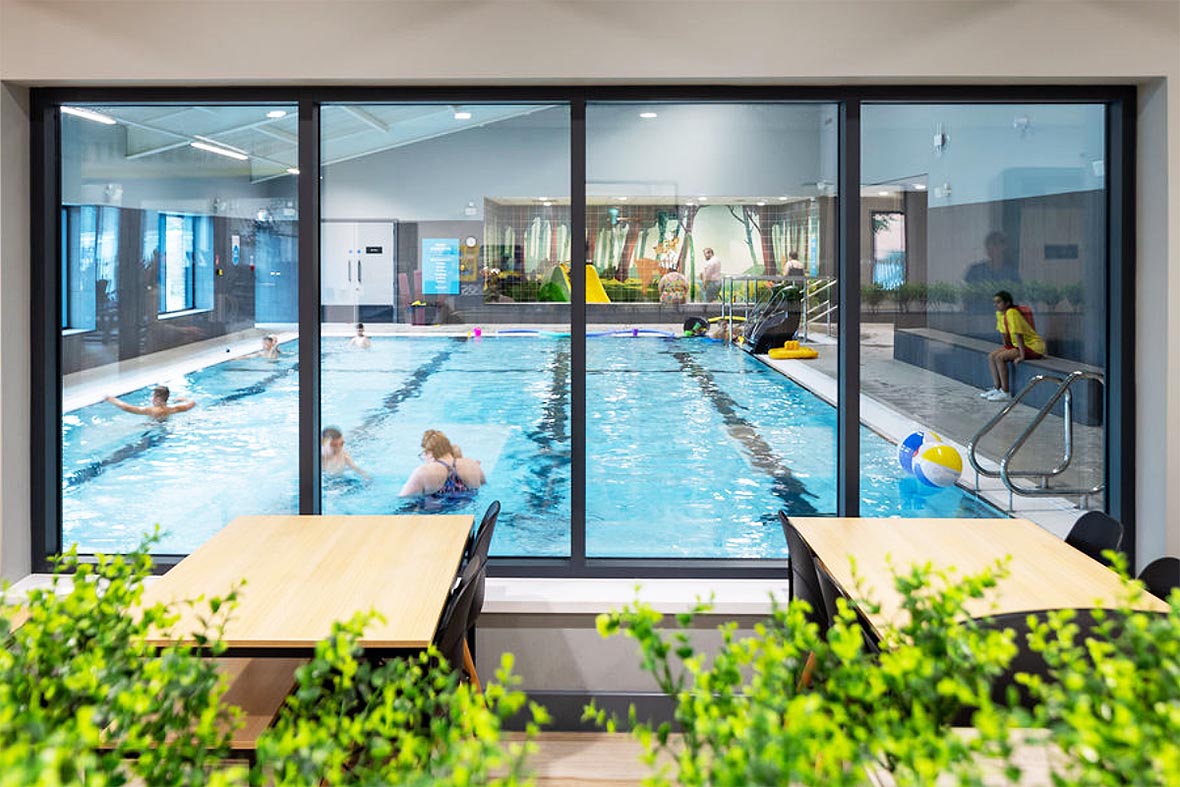
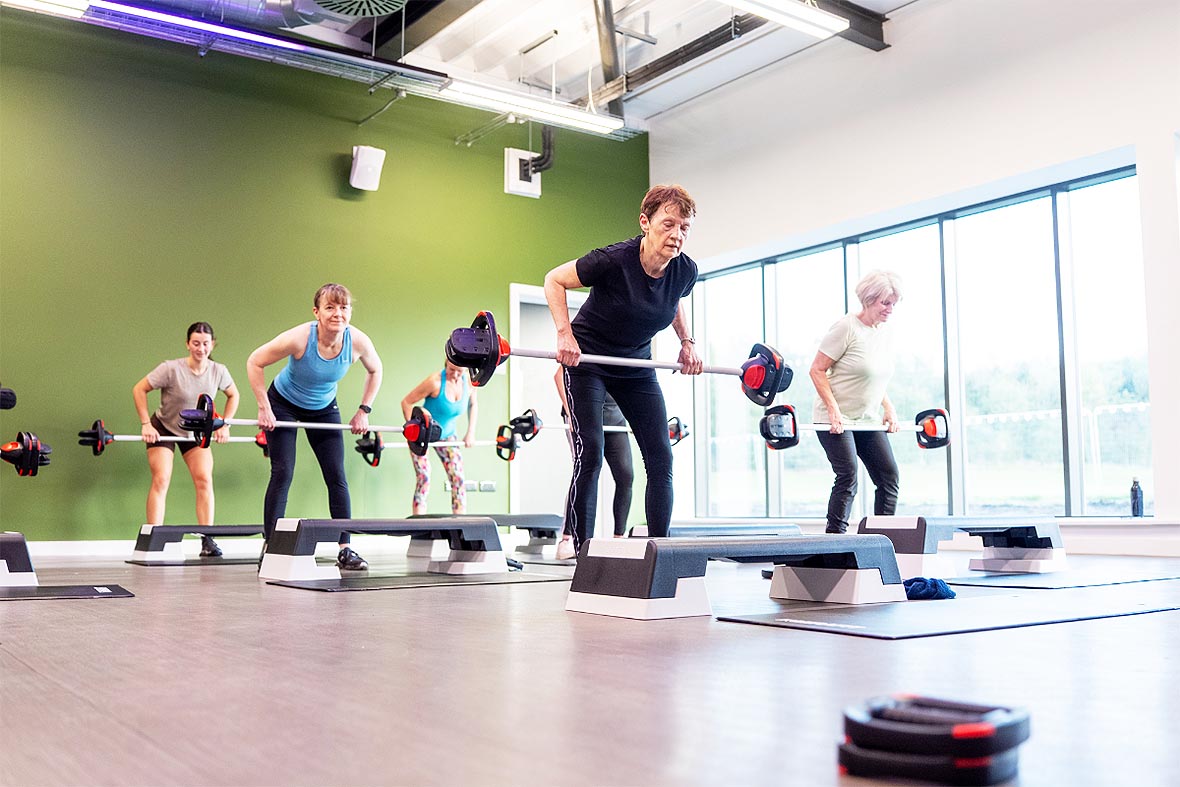
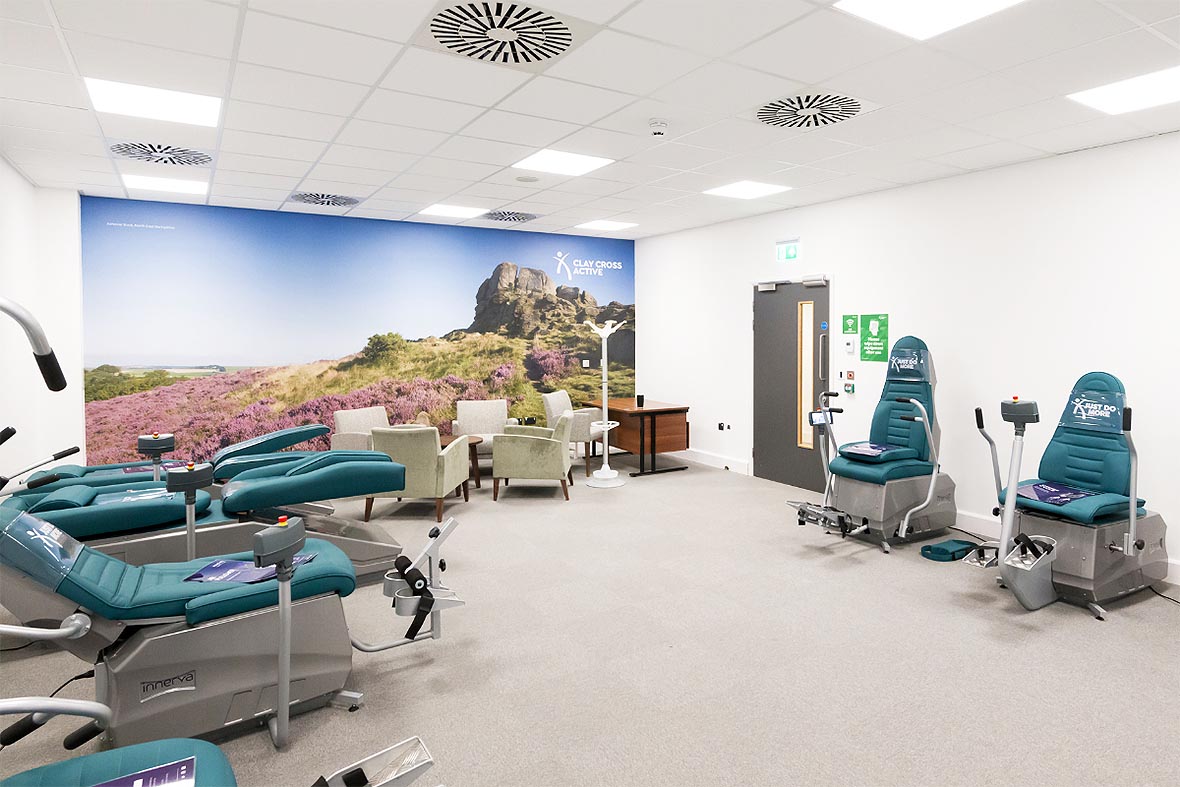
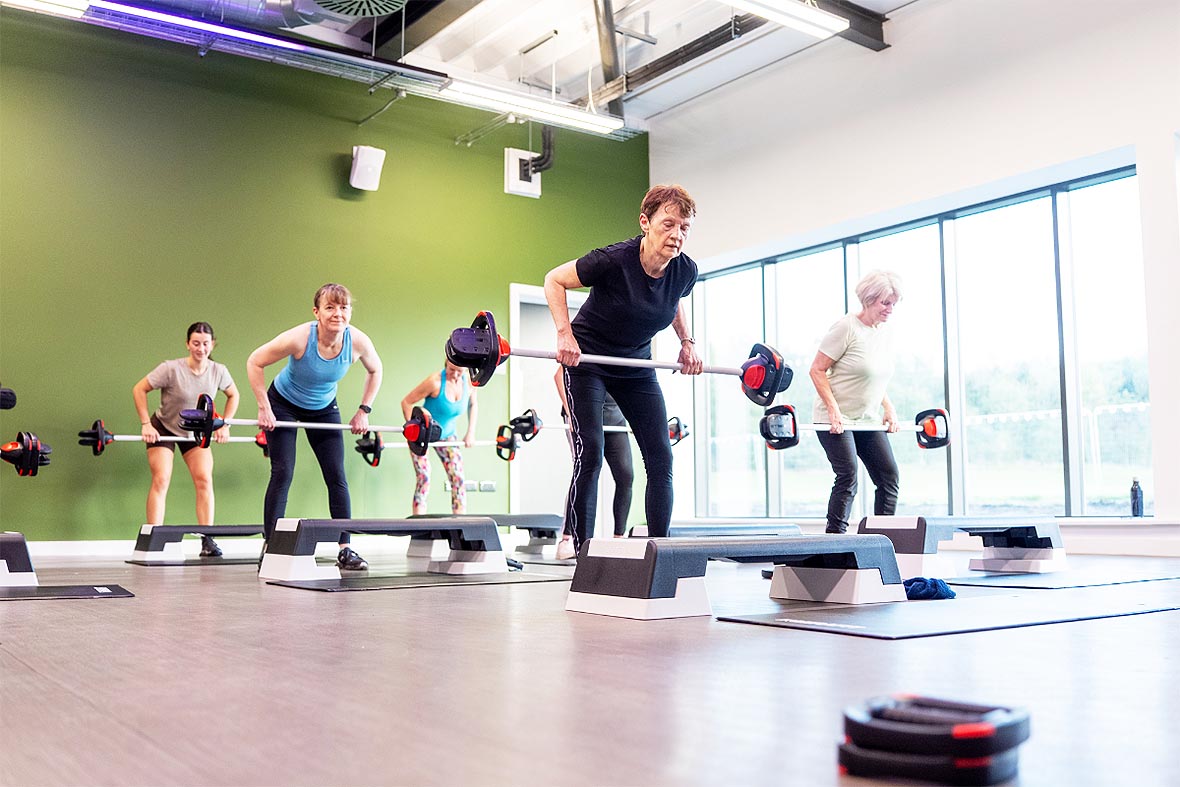
This shift is evident in projects such as Clay Cross Active in North East Derbyshire, where a modern health and wellbeing hub has broadened community engagement and strengthened its role within local regeneration. Similarly, Brandon Leisure and Health Hub in West Suffolk demonstrates how leisure can sit alongside NHS services and wellbeing support, creating a more accessible and preventative model of community healthcare.
Environmental sustainability must also be at the heart of future leisure development. Rising energy costs and carbon reduction commitments mean councils need to focus on whole-life value rather than capital cost alone. Facilities such as The Cath Thom Leisure Centre in Hyndburn show how energy-efficient design can support both environmental objectives and long-term financial resilience.
Ultimately, success should no longer be measured solely by participation figures. The most successful authorities will be those that view leisure as a strategic investment in healthier, more connected and more resilient communities. In the years ahead, leisure has the potential to become one of local government’s most effective preventative assets – but only if we are prepared to rethink its role.